“The only true freedom for an individual is to have the opportunity to act independently … there is no such thing as an individual until a person can act by himself.”
— Dr. Maria Montessori, Education and Peace
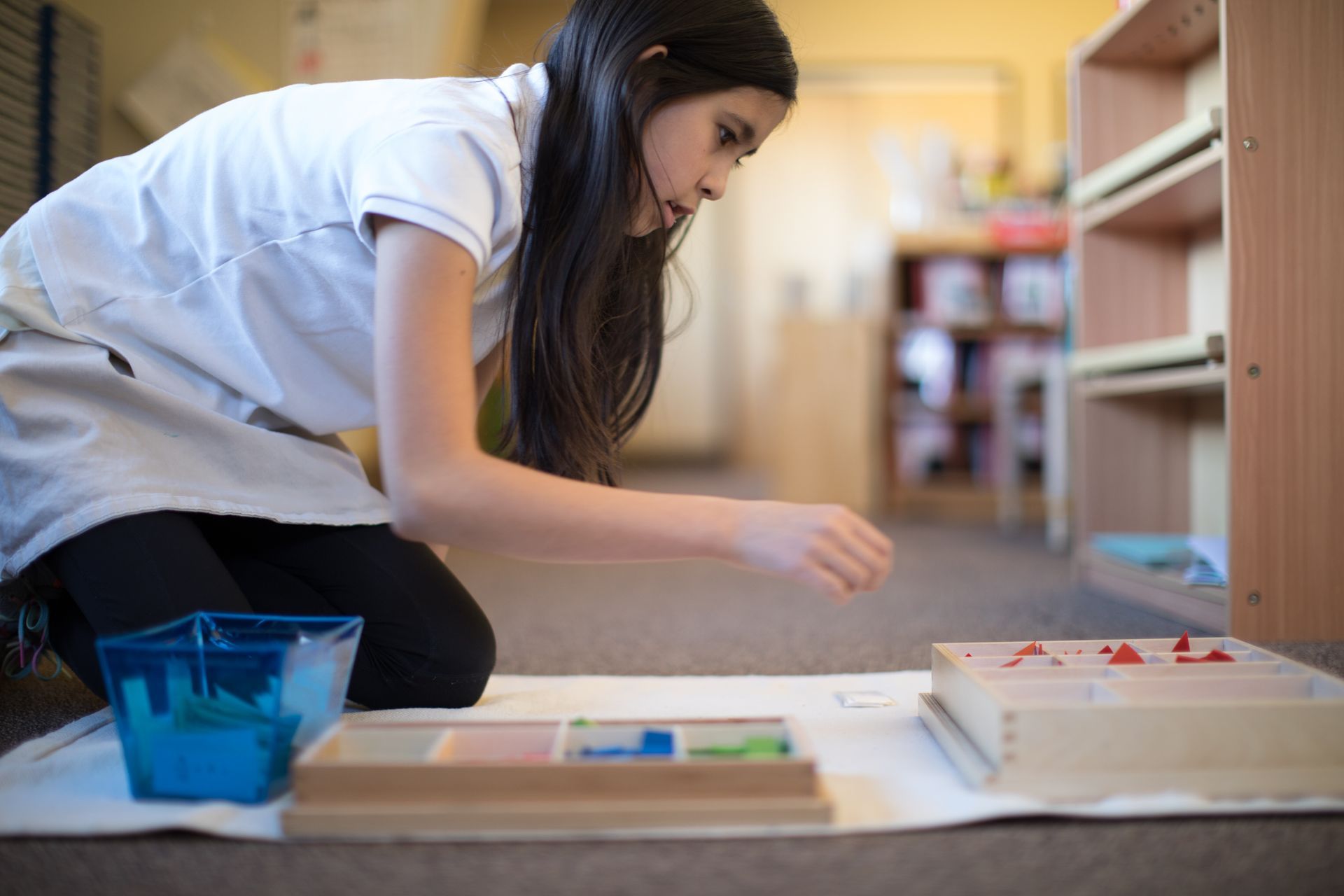
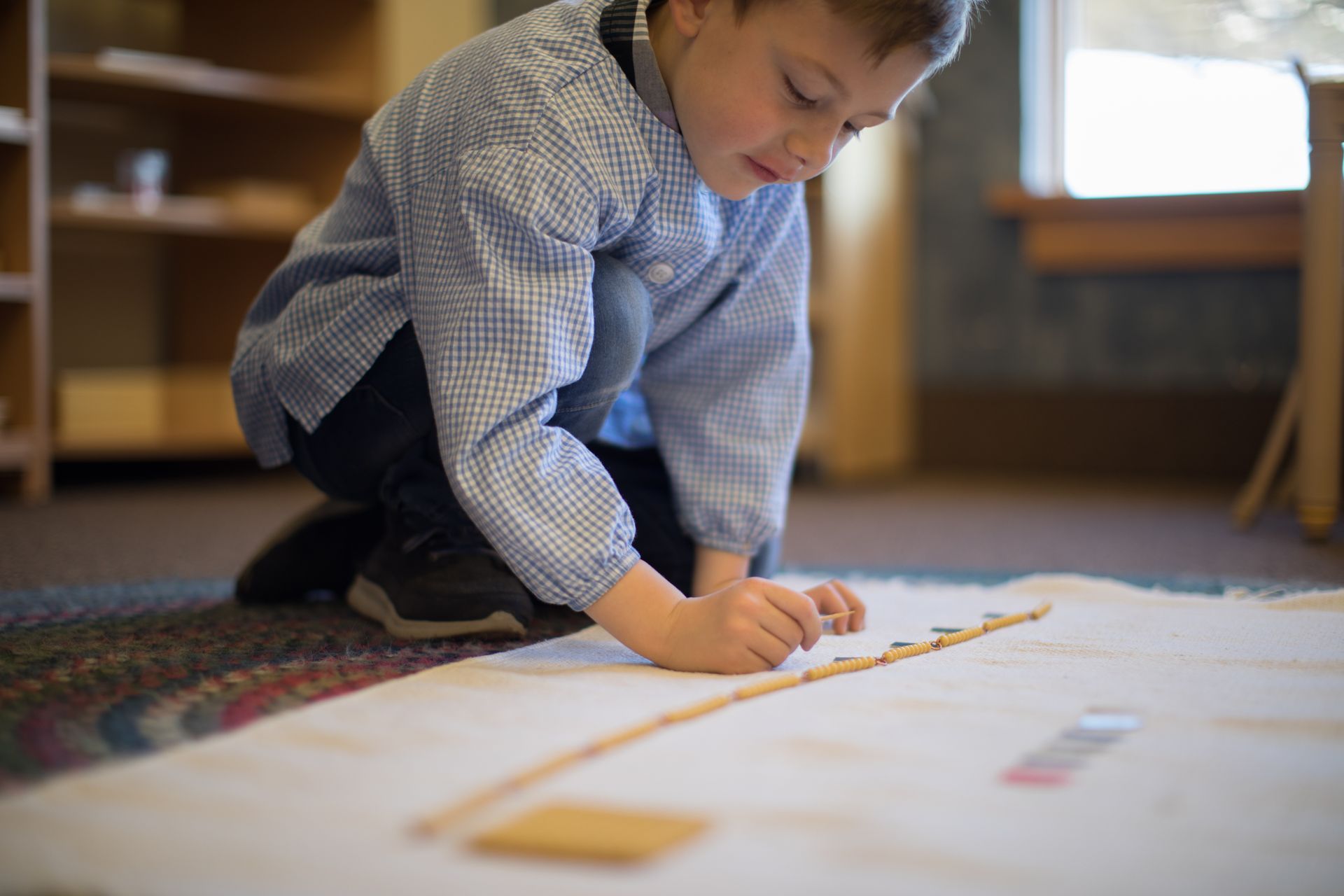
If you’ve spent any time with us, you already know how much we talk about independence. It is woven into the Montessori day—from a Primary child pouring their own water or choosing work from the shelf to an Elementary student managing a work plan, solving a problem, or communicating in Spanish and English.
But why does independence matter so much?
At Montessori Bilingual Academy, independence is much more than learning to “do it yourself.”
It is how children gradually discover:
I am capable. I can make choices. I can communicate. I can work through something difficult.
And I know when to ask for help.
Here are three reasons independence matters in a bilingual Montessori education.
1. It Builds Lasting Self-Confidence
Picture a busy morning at home.
Your child wants to zip their own jacket. You could do it in three seconds. They might need three minutes.
They line it up. It doesn’t work. They adjust. Try again. Maybe you show them how to hold the bottom. Then, finally…
Zip.
“I did it!”
Those three minutes gave the child something an adult doing the task for them couldn’t: evidence of their own capability.
That’s how confidence develops in a Montessori environment.
It happens when a child carries a tray without spilling it, completes a challenging material, solves a disagreement using words, reads a new word, or realizes they understood what their guide said in Spanish.
The adult is still there. We demonstrate, observe, encourage, and provide support when it is genuinely needed. But we are careful not to take over simply because we can accomplish the task faster.
Bilingual learning creates opportunities for this same kind of confidence.
A child may spend weeks listening to Spanish before one day responding to a familiar question.
The sentence may not be perfect. It doesn’t need to be.
They understood. They tried. They communicated.
Each experience gives the child another reason to believe:
I can learn something that once felt unfamiliar.
That is confidence built through experience, not praise alone.
2. It Allows Us to Honor Each Child’s Unique Path
Walk into a bilingual Montessori environment and you won’t find every child demonstrating learning in exactly the same way.
And that’s the point.
One child may understand much of what their guide says in Spanish but answer in English.
Another may begin attempting Spanish words and phrases, mixing the two languages or experimenting with sounds as they figure out how the language works.
Another may begin using familiar Spanish spontaneously during classroom routines.
And as language and literacy develop, another child may begin connecting Spanish sounds with letters and discovering how to read words phonetically.
They are all learning. Their learning just doesn’t look identical.
The same is true throughout Montessori.
One child may repeat the same Practical Life activity because they are refining coordination, order, and concentration. Another may become absorbed in numbers. Another may be drawn to language, geography, science, reading, or writing.
Our guides aren’t simply asking, “Can this child do it yet?”
They are observing:
What does this child understand?
What are they practicing?
Where are they becoming independent?
Where are they struggling?
What are they ready for next?
That last question matters because struggle is information, not failure.
When a child struggles, it tells us something. They may need more repetition, another presentation, additional vocabulary, a stronger foundation, more time, or more support.
The guide’s job is to observe closely enough to determine what the child needs next.
That’s what honoring an individual path looks like in Montessori. It doesn’t mean lowering expectations or leaving children to figure everything out alone. It means understanding where a child is developmentally and helping them move forward from there.
3. It Prepares Children for Life Beyond Childhood
Eventually, the child who needed three minutes to zip their jacket doesn’t need help anymore.
The child who once listened quietly to Spanish begins responding.
The child who once searched for a word begins communicating more freely.
The child who once needed an adult to solve a problem learns to stop, think, try, adjust, and ask for help when needed.
That’s why Montessori independence is preparation for life—not simply preparation for the next grade.
Bilingual learning adds another dimension. Children discover early that there is more than one way to communicate the same idea.
Water is also agua. A house is also a casa.
The idea remains the same even when the words change.
Research on bilingual development has found that experience with more than one language can support metalinguistic awareness—a child’s growing understanding of how language itself works. Children begin recognizing that words are symbols and that different languages can organize sounds and meaning in different ways.
Early exposure can matter even if a child does not use Spanish continuously throughout childhood. Research suggests that some aspects of early language experience can influence how people later perceive or relearn features of a language. That does not mean early exposure guarantees lifelong bilingualism—continued proficiency requires continued exposure and practice—but those early experiences can provide a meaningful foundation.
For children who continue developing both languages, that foundation can grow into increasingly sophisticated speaking, comprehension, reading, and writing.
But perhaps the most relatable benefit is much simpler:
Learning another language gives a child regular opportunities to not know something yet—and to discover that they can figure it out.
They listen when they don’t understand every word. They use context. They watch. They make an attempt. They make mistakes. They adjust. They try again.
Think about what is being practiced in those moments:
Curiosity. Flexibility. Persistence. Communication. Confidence in the face of something unfamiliar.
Those are useful skills for life.
Independence Is Built One Experience at a Time
A poured glass of water.
A jacket zipped independently.
A Montessori material mastered after repeated attempts.
A first spontaneous phrase in Spanish.
A word carefully sounded out.
A problem solved without an adult taking over.
These moments may look small to us.
To the child, they are evidence:
I am capable. I can communicate. I can learn something I don’t know yet. And when something is difficult, I can keep growing.
That is the power of independence.
Learn More About Montessori Bilingual Academy
At Montessori Bilingual Academy, independence, individualized learning, and bilingual development are intentionally woven into the child’s experience.
We invite prospective families to learn more about our Montessori and bilingual programs and discover which campus and developmental level may be the right fit for their child.
- Orlando Montessori Bilingual Academy — Primary, Lower Elementary, and Upper Elementary
- Clermont Montessori Bilingual Academy — Primary and Lower Elementary
- Oviedo Montessori Bilingual Academy — Primary
Interested in learning more?
Schedule a tour at the campus that best fits your family.